

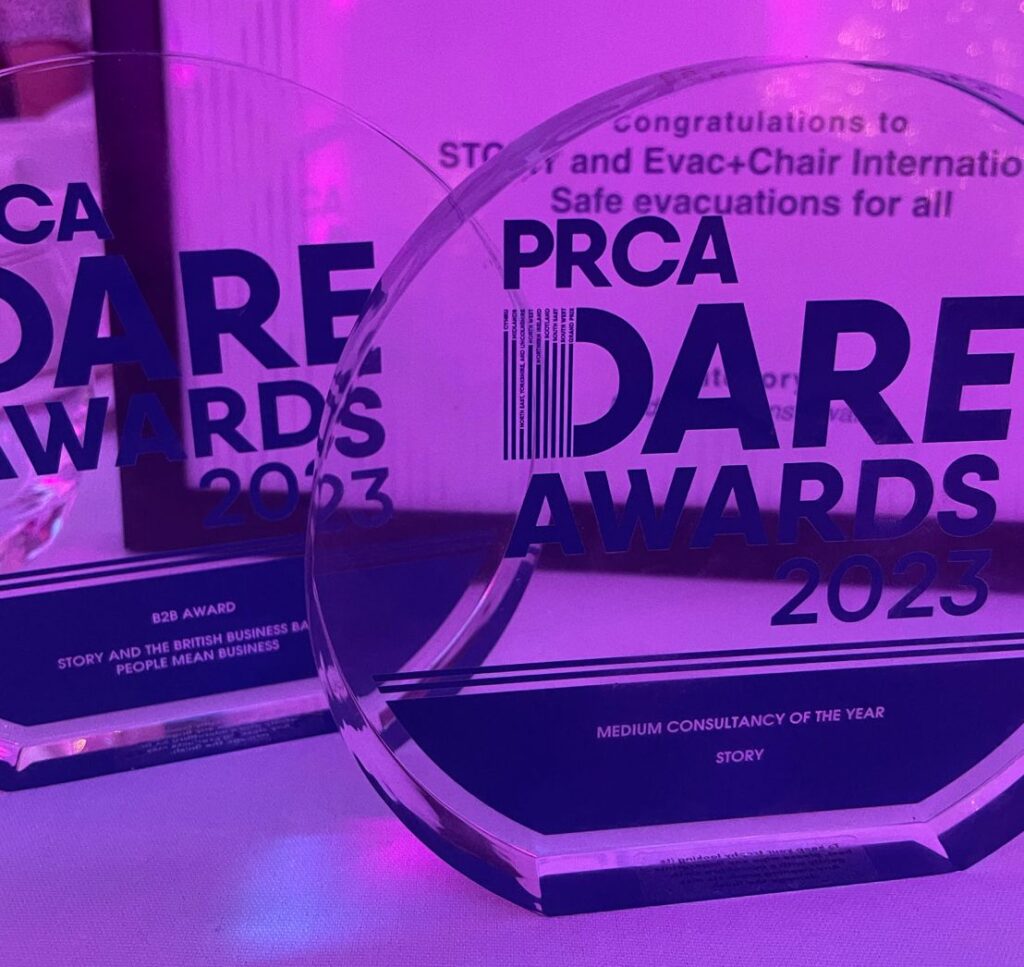
Regardless of what industry you work in, awards are a great way of maximising brand awareness.
Getting in front of your competitors is a game changer when it comes to boosting sales and profitability. According to research from the British Quality Foundation, small award-winning companies experience a 63% increase in operating income compared to non-award winners, with large businesses seeing a 48% increase as well.
REASONS TO ENTER AWARDS
Other than making a significant difference to your bottom line, awards can also help to:
- Improve reputation and credibility
- Boost morale of staff, clients and customers
- Attract talent to a business
Awards are the cherry on top of the cake that help you put your money where your mouth is and prove that you mean business. These accolades open doors to new audiences and allow you to showcase big wins that have been backed by someone other than yourself.
Sounds good right? Ready to stuff that trophy cabinet full of shiny new wins? Sam Pollock, Senior Account Manager at STORY, shares his top tops on writing an award-winning entry worthy of a gold medal.
WRITING AN AWARD WINNING ENTRY
In 2023, we helped one client secure four award wins, one commended and ten shortlists, so here’s STORY’s top tips to writing a knockout entry:
- Read the criteria. Don’t go any further without digesting the entry criteria, guidance and toolkits because these are your bible. Submissions should stick to the format and criteria otherwise you’re not answering the question.
- Get the ‘So what’ factor. The ‘So what?’ factor all about the context. Why should people care about this? What makes this different to any other award being judged? Have strong stats and KPIs that measure the impact of a campaign and ticks all the criteria; hammer home exactly why it should win. Beyond numbers, why not consider starting with case studies, testimonials or banging media coverage.
- Easy breezy reading. Chunky, long form text in entries won’t keep judges engaged so remember the word count is a limit, not a requirement. Using bullet points is great to keep things short and snappy but it’s also worth using bold words or underlining text. Visual options such as infographics can also break things up nicely if entry criteria allows.
- Back it up. Always include supporting material if possible. Whether it’s images, videos or media coverage, this could be the difference when it comes to cases of indecision.
Want to get your own awards game up to scratch and that trophy cabinet sparkling with some new additions? Contact the team at STORY and see how we can help with all your award entries and award writing needs.